
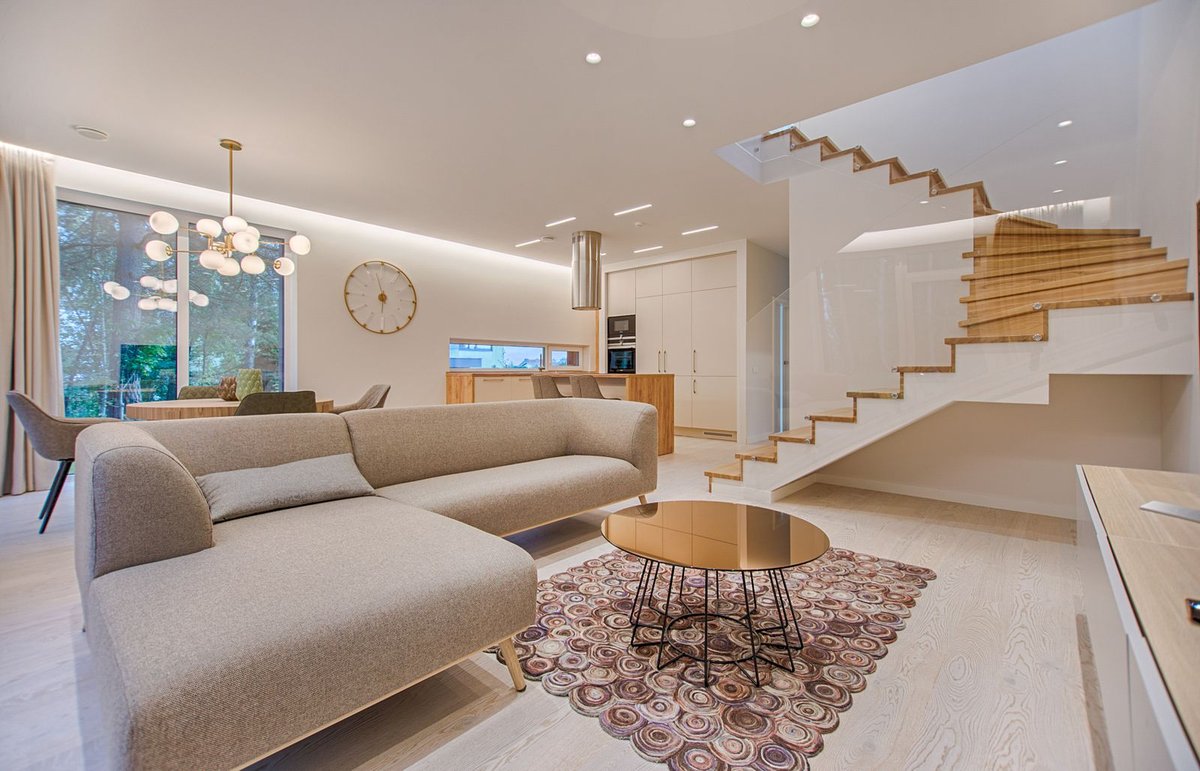
Lounge Chairs and Desk Seating in Malaysia Homes: Fit, Foam and Adjustability
Chairs fail quietly, then all at once
Most people notice a bad chair only after weeks of afternoon ache. Lounge seating and desk chairs look similar in catalogue photos, yet they solve different problems. One supports relaxed postures in a living room. The other has to survive hours of keyboard work without turning your shoulders into concrete. If you are furnishing a Malaysian flat or carving out a home office corner, separate those jobs before fabric colour wins the argument.
Some Malaysian retailers group living and work pieces side by side, and browsing their main furniture catalogue is a useful way to see how those categories split. Use it as a map of categories, not as a one-evening shopping sprint.
Measure the room before you fall for a wide statement chair. Many Malaysian apartments punish oversized footprints with scraped walls and blocked walkways.
Lounge chairs: depth, foam and how you actually sit
A lounge piece needs seat depth that matches your leg length, a back angle you can sustain while reading and foam that recovers after guests leave. Test by sitting the way you really sit at home, phone in hand included, not the upright showroom pose. Online collection notes for living-room loungers help you compare shapes, but your body remains the final measuring tool.
Upholstery deserves the same attention as shape. In humid Malaysian rooms, tightly woven fabrics and removable covers are easier to keep fresh than delicate weaves, while leather and leatherette can feel sticky on hot afternoons without a fan or air conditioning. Ask what the foam density is, whether cushions can be flipped and how the fabric handles direct sun from a west-facing window.
If your living room doubles as a work nook, do not expect one soft lounge chair to replace a desk chair. Your lower back will file the complaint within a fortnight, usually around 3pm.
Desk chairs: adjustability beats slogans
For long desk days, look for seat height that lets feet rest flat, lumbar support you can actually feel, armrests that keep shoulders soft and a base that does not tip when you reach sideways for a bag. Mesh versus foam is preference. Adjustability is not optional marketing language.
Well-described desk seating options for long workdays should spell out those levers clearly. If a listing only praises aesthetics, assume you will be the adjustment mechanism.

Practical posture reminders that make chair features easier to judge in a showroom.
What ergonomics agencies keep repeating
Guidance from the Canadian Centre for Occupational Health and Safety and the WHO physical activity fact sheet sounds dull on purpose: vary posture, stand and move, and never treat any chair as a substitute for breaks. Local workplace safety primers from NIOSH Malaysia make the same point in a Malaysian context.
Translate that into home practice. Set a timer for hourly stand-ups. Keep a water glass in another room. Alternate a stool for short tasks if your main chair still feels wrong after adjustments.
A showroom routine that saves returns
Wear the shoes you use at home. Sit for at least ten quiet minutes. Open a laptop on your knees in a lounge chair and type a paragraph. At a desk chair, raise and lower the seat, test the tilt lock and check whether the lumbar pad hits your lower back or only your belt line. Measure your desk height before you buy anything with a fixed seat.
Bring those notes home, sleep on them, then decide. If two chairs score within a point of each other, prefer the one with clearer warranty language and replacement parts you can actually order in Malaysia, because a beautiful import with no local spares gets expensive the first time a gas lift fails. Once the chair arrives, recheck your desk height as well. Many returns happen because the desk was the real problem and the chair only made it visible.